.png?width=133&height=43&name=Logo%20(4).png "Logo (8)")
The Need for Machine-Readable, Machine-Interpretable, and Human-Readable Data in Digital Engineering Collaboration
Digital engineering is reshaping how product data moves across systems, workflows, and organizations. Data is becoming more structured, more connected, and more accessible than ever before. Digital standards are evolving. Model-based practices are becoming more common. This shift is being driven by the need to go faster without sacrificing quality.
But as this shift accelerates, a practical, yet complex, question needs to be answered.
How should organizations think about the balance between machine-readable, machine-interpretable, and human-readable data to enable effective data exchange and collaboration across the digital thread?
Industry guidance is increasingly formalizing this distinction. The Department of War Digital Standards Strategy, for example, specifies machine-readable and machine-interpretable data that can be used directly by digital tools and processes.
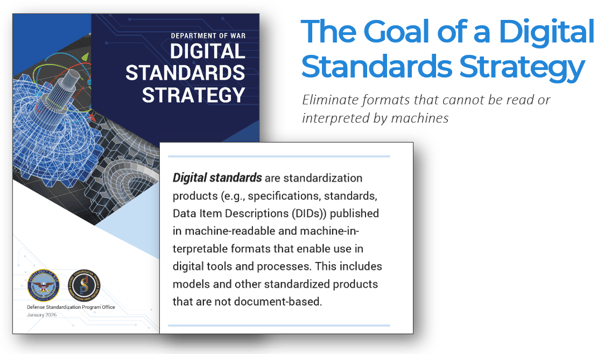 Figure 1: The Department of War Digital Standards Strategy emphasizes machine-readable and machine-interpretable data as the foundation for digital engineering.
Source: Department of War Digital Standards Strategy, January 2026
This foundation is essential. Machine-readable and machine-interpretable data enable automation, integration, and scale across digital engineering environments.
But they do not fully address how that data is understood, discussed, and acted on by people across the lifecycle.
Leading organizations are already recognizing this distinction in practice. In its Model-based Enterprise Playbook, Lockheed Martin outlines where machine-readable data drives automation, and where human-readable, human in the loop experiences remain essential for effective collaboration and decision-making across the lifecycle. This reinforces a broader shift: digital engineering is not just about making data available to systems, but making it usable and actionable across the full range of people and roles that depend on it.
Together, these examples point to a clear need for balance in how digital engineering data is created, exchanged, and used across the lifecycle. That balance directly shapes how teams communicate, how decisions are made, and how product intent carries from design through manufacturing, supply chain, and sustainment.
Three Ways to Think About Digital Engineering Data
Digital engineering data is often discussed as if it serves a single purpose. In reality, it must serve multiple audiences across the lifecycle.
At a high level, there are three distinct but related ways data is consumed.
Machine-readable data
Data structured so it can be stored, exchanged, and processed by software systems. Formats such as STEP, XML, and other standardized schemas fall into this category. This is the foundation for system interoperability.
Machine-interpretable data
Data that carries meaning and context that software can understand and act upon. This includes semantic PMI, QIF, SysML relationships, and other model-based definitions that enable automation, validation, and downstream processing.
Human-readable data
Data presented in a way that people can quickly understand, review, and act on. This includes visual and interactive representations such as 3D PDFs, HTML technical data packages, and model-based experiences that allow engineers, manufacturers, suppliers, and operators to engage directly with the product definition.
Each of these plays a critical role. The challenge is not choosing one over the others. The challenge is ensuring they work together.
Why Balance Matters Across the Digital Thread
Digital engineering spans far more than system-to-system exchange. It connects people, processes, and decisions across the lifecycle.
Different parts of the enterprise depend on data in different ways.
- Systems need structured, machine-readable data to exchange information reliably across tools and organizations
- Workflows need machine-interpretable data with embedded semantics to drive automation, validation, and downstream processes
- People need human-readable data to understand context, collaborate effectively, and make decisions
When these needs are not aligned, gaps begin to form.
Data may move efficiently between systems, but it does not carry enough context to be applied.
Automation may be possible, but difficult to validate in real-world workflows.
Information may be available, but not usable by the people responsible for acting on it.
This is where digital engineering efforts begin to slow down. Not because the data is missing, but because it is not balanced across how it needs to be used.
Collaboration Happens in Human Context
Digital engineering often focuses on how data moves between systems. Collaboration depends on how effectively that same data can be understood and acted on by people.
Across design reviews, manufacturing planning, supplier engagement, quality inspection, and sustainment, teams need a shared way to engage with the product definition. That requires more than access to data. As shown in Figure 2, the DoW strategy acknowledges a critical reality: human-readable data remains essential throughout the transition to digital. This requires access to data in a form that supports real work.
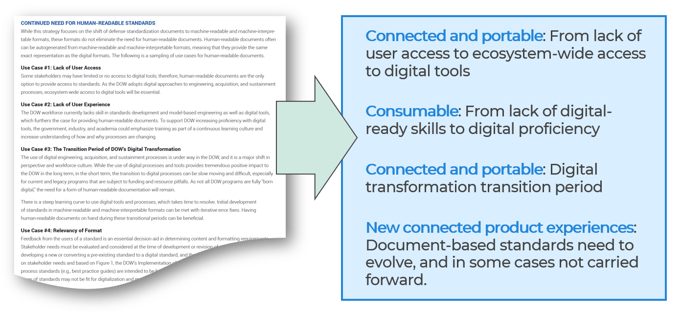
Figure 2: The continued need for human-readable data in digital engineering collaboration Source: Department of War Digital Standards Strategy, January 2026
Connected and portable product data experiences provide that solution. They allows teams to interact with model-based data without relying on specialized tools or disconnected translations. It creates a shared context where feedback can be captured, questions can be resolved, and decisions can move forward.
Without this connection, collaboration becomes detached from the model. Feedback lives outside the data. Decisions become harder to trace. And the digital thread begins to fragment as it moves across organizations and lifecycle stages.
Aligning with the Direction of Digital Standards
Industry and government guidance continues to emphasize model-based, standards-driven data that is portable, durable, and usable across the lifecycle.
Achieving these goals requires more than structured data exchange. It requires data that can be consumed and applied across a wide range of roles and environments, including those outside of core engineering systems.
Organizations that take a balanced approach to machine-readable, machine-interpretable, and human-readable data are better positioned to extend the digital thread beyond engineering into manufacturing, supply chain, and sustainment. They can preserve product intent while making it accessible to those who need to act on it.
From Data Availability to Collaborative Use
As digital engineering continues to mature, the conversation is shifting from how data is created and exchanged to how it is actually used.
Machine-readable and machine-interpretable data enable the digital foundation.
Human-readable data enables that foundation to function in practice across the enterprise.
Together, they define how effectively organizations can collaborate around product data, not just manage it.
Watch the Webinar
We explored this topic in more detail in our recent session on applying the 2026 Digital Standards Strategy.
Watch the replay to see how leading organizations are approaching digital standards, data formats, and collaboration across the lifecycle.